Is Your Wine Tired? The Telltale Signs in Your Glass
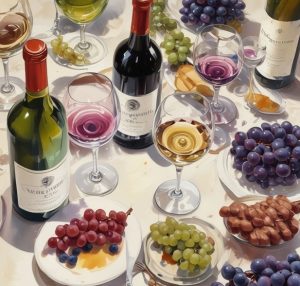
Recognizing when a wine has become tired is essential for enhancing your tasting experience. A few key indicators can help you determine the vitality of your bottle. Start with a visual inspection. Pour the wine into a glass and observe its color. Fresh white wines should appear bright and clear, while reds should exhibit vibrant hues. If you notice a brownish tint in whites or a dull, faded color in reds, this could signal oxidation or age-related decline. Additionally, look for cloudiness or excessive sediment. While some sediment is normal in older wines, too much can indicate improper storage.
Next, focus on the aroma. Gently swirl the glass and take a deep sniff. Fresh wines often have complex, layered aromas that entice the senses. If the fragrance is faint or lacks vibrancy, the wine may be past its prime. Be on the lookout for oxidative notes, such as nutty or sherry-like scents, which indicate oxidation. A tired wine might also smell flat or stale, devoid of the freshness that characterizes well-preserved bottles.
When it comes to taste, take a small sip and let it linger on your palate. A youthful wine should have a balance of acidity, sweetness, and tannins, with flavors that unfold over time. If the wine tastes one-dimensional or lacks complexity, it may be tired. An unpleasant sour taste is a strong indicator of spoilage, often resulting from poor storage conditions. Additionally, consider the mouthfeel. Fresh wine typically has a lively texture and good structure, balancing acidity and tannins. If the wine feels flabby or overly soft, it may lack the necessary acidity and structure, suggesting it’s no longer at its best.
Finally, don’t overlook the condition of the cork. After opening the bottle, examine it closely. A dry or crumbling cork can indicate exposure to air, leading to deterioration. If the cork smells musty or has a strong odor, it could signify cork taint, further affecting the wine’s quality.
By employing these methods, you can better assess the freshness of your wine. Remember, the goal is to enjoy the experience, so don’t hesitate to set aside a bottle that doesn’t meet your expectations. With practice, you’ll become adept at identifying wines that truly shine. Cheers!