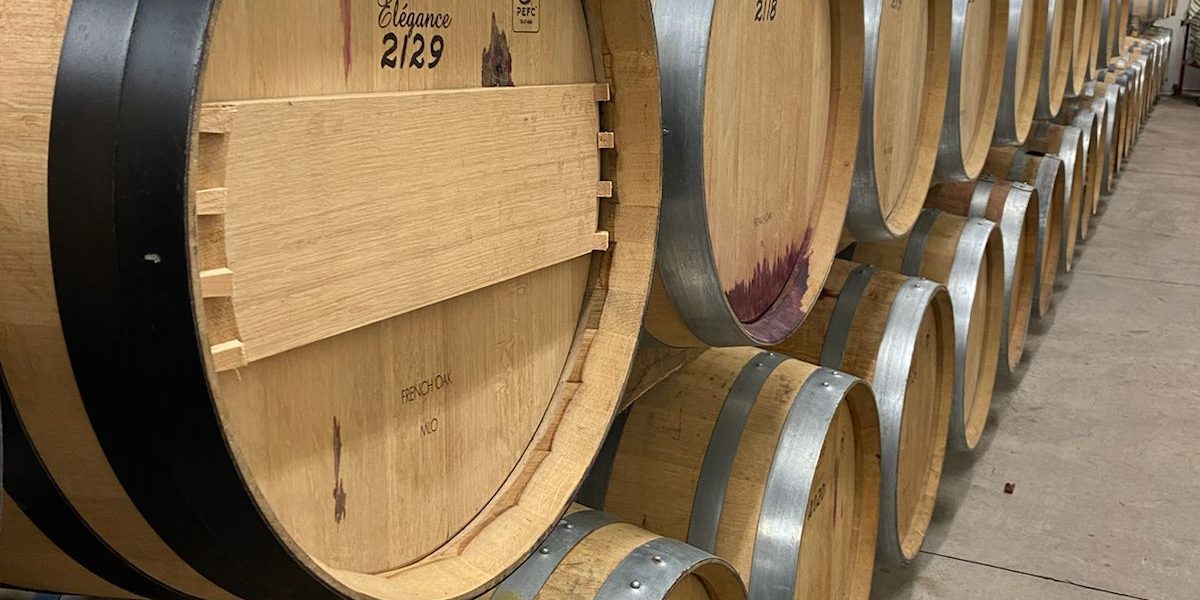

When you pour a glass of wine, have you ever considered the journey it took to get there? One of the unsung heroes of this journey is oak. While it may seem like just a barrel, oak significantly influences flavor, texture, and aging potential.
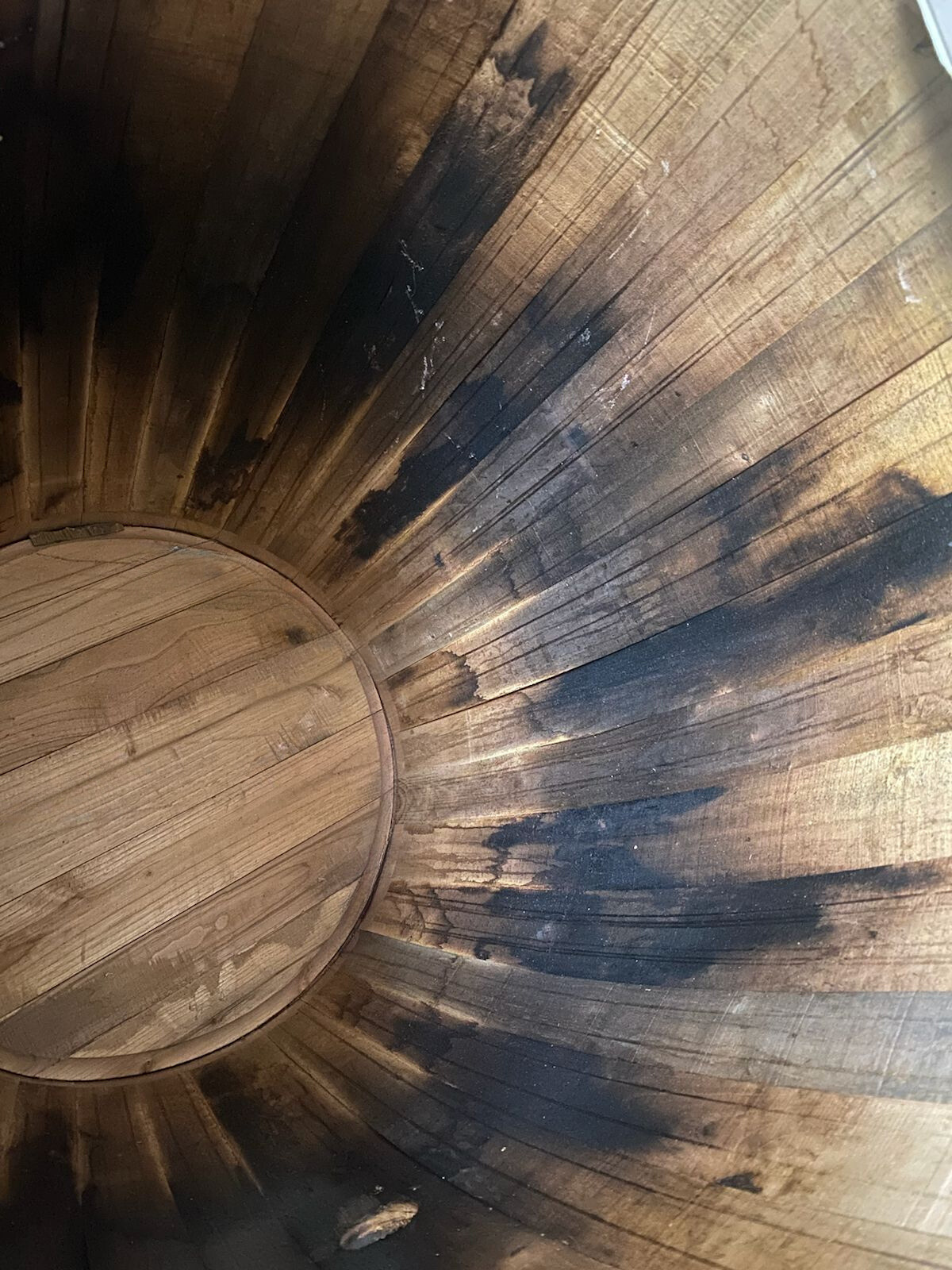
Oak barrels are vital for imparting unique characteristics to wine. For instance, French oak adds subtle notes of vanilla, spice, and toast, enhancing the wine’s complexity without overshadowing its qualities. In contrast, American oak introduces bolder flavors like coconut and caramel. Winemakers carefully select the type of oak to craft the desired flavor profile.
But oak isn’t just about flavor; it also impacts the wine’s texture. The interaction between the wine and the porous wood can soften tannins, resulting in a smoother mouthfeel, especially important for red wines. This process creates a refined drinking experience.
Aging in oak brings another layer of magic through micro-oxygenation, allowing tiny amounts of oxygen to interact with the wine and develop complex flavors over time. This aging process helps the wine evolve, revealing deeper profiles with each sip.
Oak barrels also assist in integrating the wine’s acidity, tannins, and sugars into a balanced flavor profile. Additionally, different types of oak can express the terroir, reflecting the vineyard’s environment.
In summary, oak is more than a container; it’s essential to winemaking. Next time you enjoy a glass, appreciate the intricate journey from grape to barrel to bottle—and the critical role oak has played along the way. Cheers!