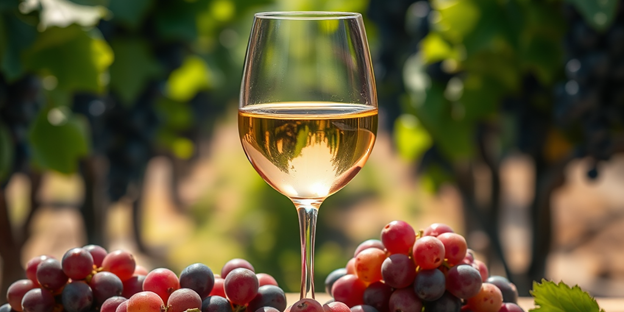
When you think of white wine, red grapes might not be the first thing that comes to mind. However, the intriguing process of crafting white wine from red grapes reveals a captivating secret in the world of winemaking. This practice showcases the remarkable versatility of grapes and the artistry of winemakers who dare to experiment.
The journey begins with the careful selection of red grape varieties known for their lighter skins and subtle flavors. Grapes like Pinot Noir and Grenache are prime candidates, as they possess the potential to create elegant white wines. The process starts with crushing the grapes to release their juice, but here’s the key: winemakers must act quickly to separate the juice from the skins. This swift action is crucial because the pigments responsible for the red hue, primarily anthocyanins, reside in the skins. By minimizing skin contact, winemakers can produce a wine that retains the crisp, refreshing qualities typically associated with white varietals.
Fermentation follows, often taking place at cooler temperatures to preserve the vibrant fruit flavors and aromatic profiles. The result is a wine that can exhibit a delightful range of flavors, from bright citrus notes to more complex stone fruit characteristics. After fermentation, the wine undergoes clarification, ensuring a clear and appealing appearance. This meticulous attention to detail allows winemakers to create white wines that are not only visually striking but also rich in flavor.
One of the most celebrated examples of this technique is the production of Blanc de Noirs, a sparkling wine made from red grapes, primarily in the Champagne region of France. This style showcases the unique characteristics of the grape while delivering a refined, effervescent experience. The interplay of acidity and fruitiness in these wines highlights the beautiful potential of red grapes when crafted into a white style.
As wine enthusiasts continue to explore the boundaries of flavor and tradition, white wines made from red grapes are gaining popularity. They offer a refreshing alternative to conventional white wines and invite drinkers to experience the complexity of flavors that can emerge from this unconventional method. So, the next time you pour a glass of white wine, consider the seductive secret behind its hue—it might just be the result of red grapes transformed into something truly extraordinary.