Chaptalization Unveiled: Why Winemakers Sweeten the Deal

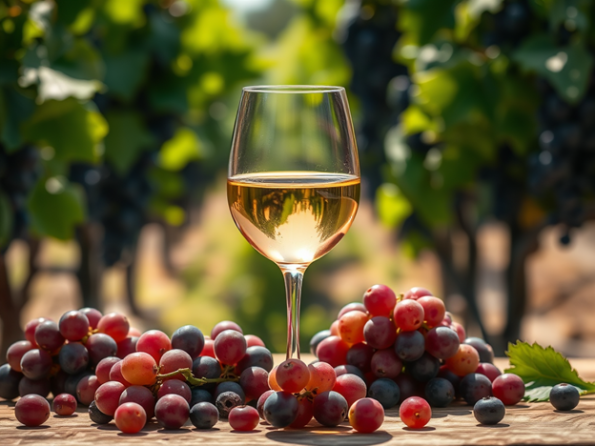
Chaptalization is a fascinating and often misunderstood technique in winemaking that involves adding sugar to grape must before fermentation. This process is primarily employed to increase the alcohol content of the wine, particularly in regions where grapes may not reach optimal ripeness due to cooler climates or adverse weather conditions. By utilizing chaptalization, winemakers can…

Nurturing the Vines: The Art of Managing Vineyard Nutrition

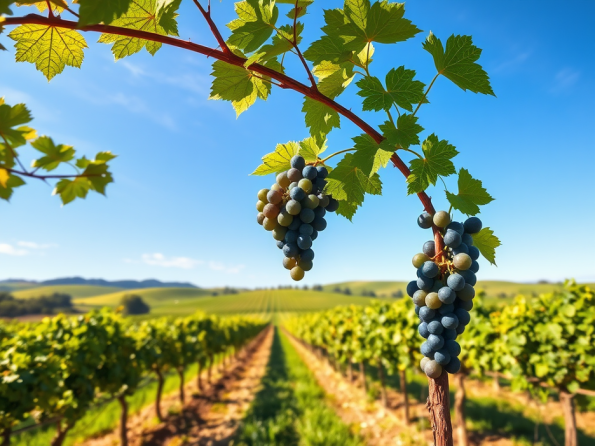
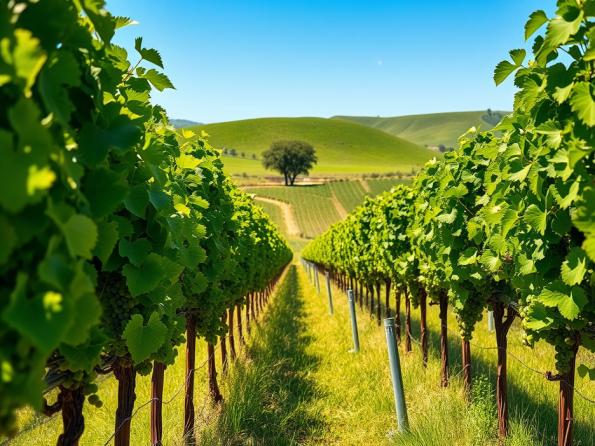
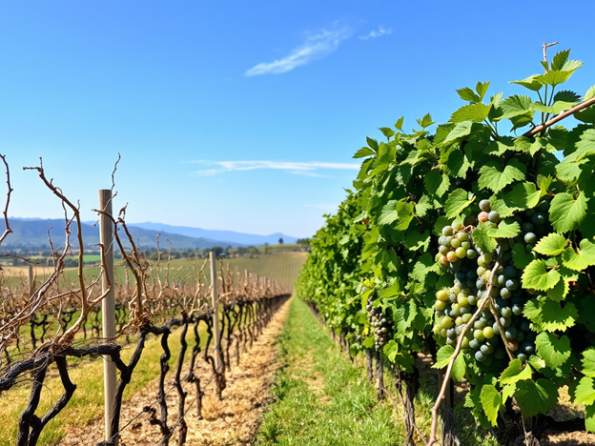
Welcome to our wine blog, where we explore the fascinating journey from grape to glass. Today, we’re delving into an often overlooked yet essential aspect of winemaking: how viticulturists expertly manage the nutrition of their vines. Just like humans, grapevines have specific dietary needs, and understanding how to meet these needs can mean the difference…

The Great Debate – Screw Caps vs. Cork Closures

Today, we delve into a topic that has sparked lively discussions among wine lovers: the ongoing debate between screw caps and cork closures. Both options have their unique advantages and appeal, and understanding them can enhance your wine experience. Screw caps are gaining popularity for several reasons. First and foremost, they provide a secure seal…

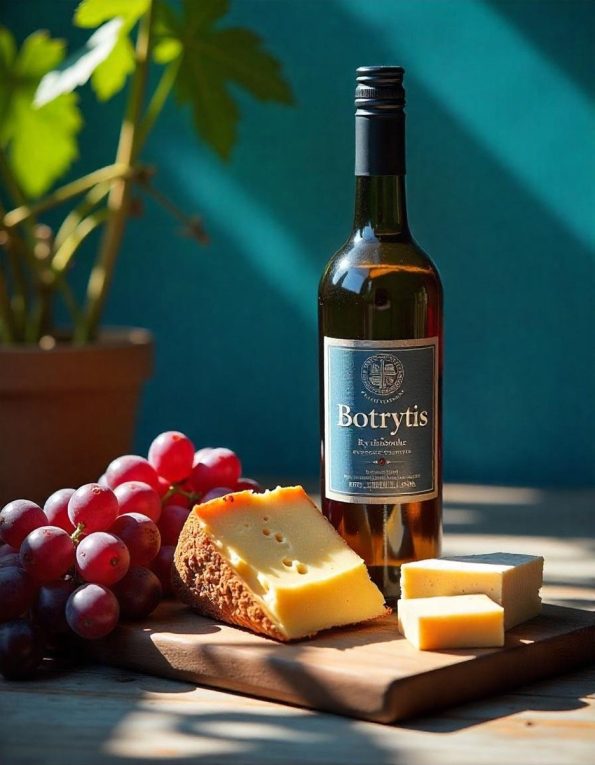
What is so unique about Botrytis Dessert wine?

Botrytis dessert wines are a captivating expression of nature’s artistry, crafted through the fascinating process of noble rot, or Botrytis cinerea. Under optimal conditions—humid mornings followed by warm, dry afternoons—this fungus envelops the grapes, causing them to dehydrate and concentrate their sugars and flavors. The result is a wine often described as liquid gold. What…

Exploring Natural Wine vs. More Natural Wine Making

When it comes to wine, the terms “natural” and “more natural” are buzzing in the industry, and for good reason. Natural wine is all about minimal intervention—think organic or biodynamic farming without synthetic pesticides or fertilizers. In the winery, natural winemakers embrace wild yeasts for fermentation, steer clear of additives, and keep sulfites to a…

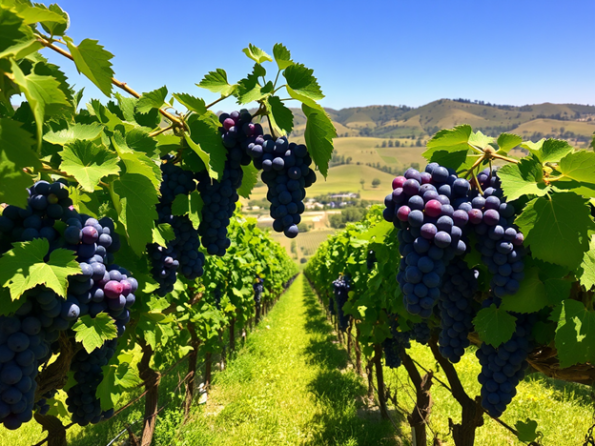
Top Planting Red Grape Varieties in Sonoma and Napa

When it comes to wine, few regions command as much respect as Sonoma and Napa Valleys in California. Known for their stunning landscapes, innovative winemakers, and exceptional grapes, these areas are synonymous with high-quality wines. We’ll explore the top red grape varieties planted in Sonoma and Napa, highlighting their characteristics and unique contributions to the…